How “Preventive” Health Wearables Are Changing the Game
For years, our smartwatches and fitness trackers have diligently counted our steps, monitored our heart rates during workouts, and even gently nudged us to stand up every hour. But in 2026, the era of merely tracking health metrics is giving way to a more profound and proactive approach: preventive health wearables. These aren’t just gadgets that log data; they’re intelligent companions designed to anticipate potential health issues, optimize our well-being, and empower us to take action before problems arise. The shift is monumental. We’re moving from a reactive healthcare model, addressing sickness once it manifests, to a truly preventive one, where technology acts as an early warning system and a personalized wellness coach.
Beyond Steps: The Era of Metabolic Monitoring
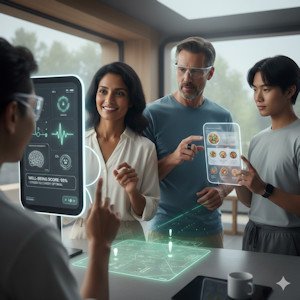
One of the most significant breakthroughs in preventive health wearables is the integration of continuous glucose and metabolic tracking for the general population. Historically, such monitoring was primarily for individuals managing diabetes. Today, non-diabetics are embracing these devices to unlock new insights into their body’s unique response to food, exercise, and stress. Imagine knowing precisely how a specific meal affects your blood sugar levels and subsequent energy dips, or understanding which types of workouts optimize your fat burning. This real-time, personalized feedback allows individuals to fine-tune their diet and activity, leading to sustained energy, improved mood, and a reduced risk of developing metabolic disorders later in life. It’s about optimizing performance and longevity, not just treating illness.
The Rise of the Ring: Screen-Free Health Management
While smartwatches still hold their place, the discreet elegance and advanced sensor capabilities of smart rings have propelled them to the forefront of screen-free health tracking. Brands like Oura and the rapidly expanding offerings from tech giants like Samsung have made smart rings the go-to choice for comprehensive, unobtrusive monitoring. These rings are masters of subtlety, seamlessly collecting data on sleep quality, heart rate variability (HRV), body temperature, and even stress recovery. The focus here is less on daily activity logs and more on deeper physiological insights, particularly around mental health and stress resilience. By understanding our body’s recovery patterns, these rings can provide personalized recommendations for rest, mindfulness, or gentle activity, helping users prevent burnout and maintain emotional balance in an increasingly demanding world.
The Mirror That Sees More: Biometrics for Mental Well-being
Stepping beyond wrist and finger, the smart mirror is emerging as an unexpected but powerful tool in preventive health. These aren’t just mirrors that show you the weather; they’re sophisticated devices equipped with biometric sensors that can detect subtle changes in facial cues, skin tone, and even heart rate through advanced computer vision. The most compelling application? Detecting early signs of burnout or chronic stress. Imagine a mirror that, during your morning routine, gently alerts you to elevated stress markers, suggesting a few minutes of guided meditation or a lighter schedule for the day. These mirrors act as silent guardians, providing a non-invasive way to monitor mental well-being and encourage proactive self-care, helping individuals intervene before stress escalates into more serious conditions.
The Promise of Prevention
The revolution in preventive health wearables is far more than a technological upgrade; it’s a paradigm shift in how we approach personal well-being. By equipping us with continuous, personalized data and actionable insights, these devices empower us to become active participants in our own health journey. They are moving us closer to a future where we don’t just react to illness, but actively cultivate a life of vitality, resilience, and sustained well-being.
What’s next? Expect even more integration with AI coaching, personalized nutrition plans delivered directly to your fridge, and perhaps even microscopic sensors that provide real-time blood analysis. The era of preventive health is just beginning, and our future selves will undoubtedly be healthier for it.